

The HVAC Playbook: How to Develop SOPs That Drive Efficiency

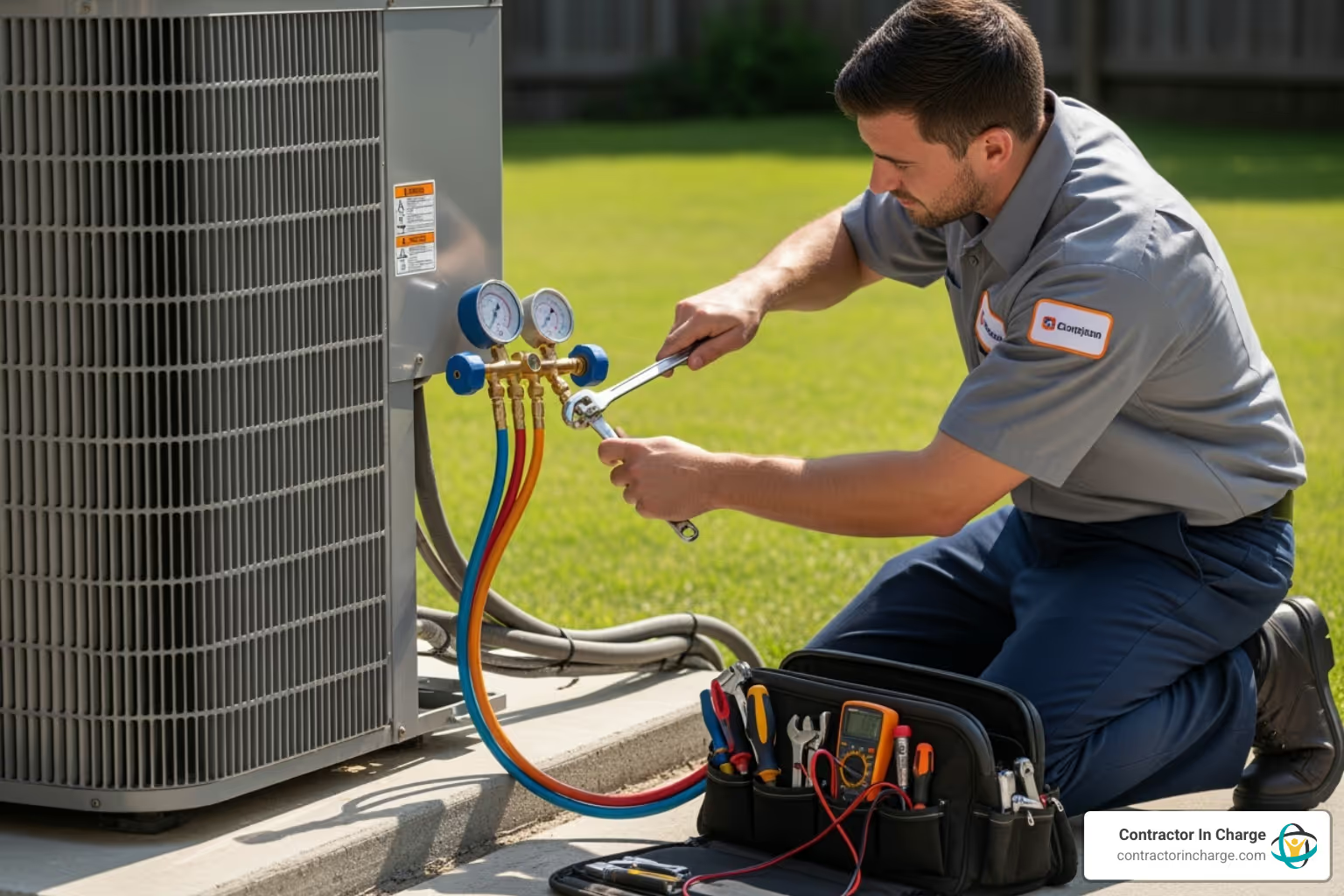
Why Your HVAC Business Needs SOPs to Grow Without the Chaos
SOP development for HVAC companies is the creation of documented, step-by-step instructions that standardize every task, from installing a new system to handling a customer complaint. Without them, your business relies on tribal knowledge, leading to inconsistency, costly callbacks, and safety risks. When every technician does things their own way, quality is a gamble, and you, the owner, remain the bottleneck.
Standard Operating Procedures (SOPs) solve this by creating a business playbook. This framework ensures every job meets the same high standard, changing individual expertise into a transferable company asset. SOPs empower your team with clear guidance, which research shows can make employees up to 21% more profitable.
For HVAC companies, SOPs are critical for navigating hazardous refrigerants, complex building codes, and EPA compliance. They are the backbone of a scalable, profitable operation.
The Foundation: What Are HVAC SOPs and Why Are They Non-Negotiable?
Standard Operating Procedures (SOPs) are your business’s instruction manuals—documented, step-by-step guides for every routine task. Think of them as recipes for success, ensuring that whether it’s a senior technician or a new hire on the job, the customer receives the same high-quality service every time.
For HVAC companies, SOPs are non-negotiable. They are the foundation for:
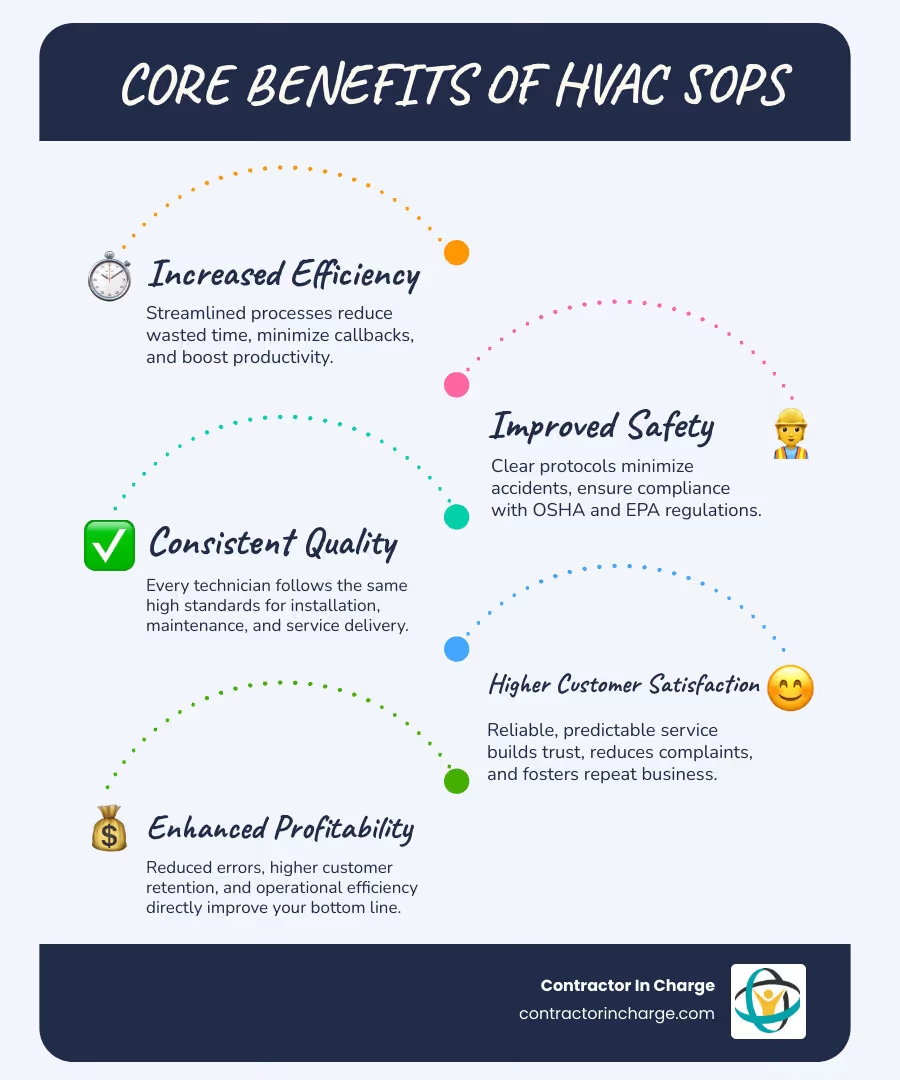
• Consistency & Quality Control: Standardized processes reduce expensive callbacks and ensure every job meets your quality benchmarks.
• Efficiency & Profitability: Eliminating guesswork saves time, leading to more billable hours and better margins.
• Safety & Compliance: A strong safety culture is built on documented protocols, protecting your team and keeping you compliant with regulations.
• Scalability: SOPs provide the framework to hire and train new people effectively, allowing your business to grow without chaos.
What Makes an SOP Different from a Business Document?
It’s simple: a business document (like an employee handbook) describes what your policies are. An SOP shows how to perform a specific task. It’s the action-oriented guide for getting the job done correctly, serving as both a compliance tool and a training resource. For example, instead of a policy that says “handle refrigerants properly,” an SOP provides the exact steps for recovering refrigerant from an AC unit, including PPE, tools, and testing methods.
The Core Benefits of Implementing SOPs
Committing to sop development for hvac companies means investing in your operational backbone. The key benefits include:
• Reduced Errors: Fewer callbacks save you labor, materials, and customer goodwill.
• Streamlined Training: New hires become productive faster, freeing up senior technicians for revenue-generating work.
• Improved Safety: Documented protocols for hazardous tasks minimize accidents and reduce liability.
• Consistent Service: A reliable customer experience builds your brand, generating positive reviews and repeat Business Growth.
In short, SOPs transform your company from a collection of individuals into a cohesive, professional operation that can scale without losing control.
Building Your HVAC Playbook: Essential Components and Types of SOPs
An effective SOP manual is a living guide that keeps your operation running smoothly. Each SOP should have a consistent structure for clarity.
Key components include:
• Header Info: Clear title, unique ID number, revision date, and author.
• Purpose and Scope: Why the SOP exists and when to use it.
• Roles and Responsibilities: Who is accountable for each part of the task.
• Required Resources: A list of all tools, materials, and safety gear.
• Safety Considerations: Prominently displayed warnings, precautions, and PPE requirements.
• Step-by-Step Procedures: The core of the SOP, with clear, sequential actions.
• Quality Checks: How to verify the job is done correctly.
• Supporting Info: Definitions, references, and a revision history.
Key Manuals for Your HVAC Business
SOP development for HVAC companies involves creating several distinct manuals:
• Technical and Procedural Manuals: These cover the hands-on work, from system installations and maintenance checklists to diagnostics and repairs. The HVAC Procedures and Forms Manual offers great examples.
• Safety Manual: This non-negotiable manual details general safety (incident response) and HVAC-specific protocols (electrical safety, refrigerant handling). CompSource Mutual’s Sample HVAC Safety Manual is a solid template.
• Administrative Manuals: These guide your office staff on customer service, scheduling, billing, and inventory, ensuring the back office supports field operations seamlessly.
• Employee Handbook: This sets cultural expectations, covering employment terms, code of conduct, and company policies. The Jacob Heating & Air Conditioning Employee Handbook is a useful reference. For specialized work, see the Veterans Affairs HVAC Design Manual.
Integrating Safety and Regulatory Compliance

Safety must be woven into every procedure, not added as an afterthought. Your SOPs must specify required PPE, lockout/tagout protocols for electrical work, and proper refrigerant handling methods that align with EPA rules.
The regulatory landscape is complex, so your procedures must reflect OSHA regulations, EPA certifications, and local building codes. Building compliance directly into your SOPs creates a true safety culture, reducing liability and protecting your team, customers, and business.
SOP development for HVAC companies requires a methodical approach that involves the people doing the work. Follow this seven-step process to turn chaos into clarity.
1. Identify Processes: Start with high-risk tasks (electrical, refrigerants) or high-frequency jobs (routine maintenance). Prioritize what would be most costly or dangerous if done wrong.
2. Gather Information: Shadow technicians, review past service tickets, and look at existing notes to capture how work is currently done—not just how you think it’s done.
3. Involve Your Technicians: This is the most critical step. Your experienced techs know what actually works in the field. Involving them in the writing process shows you value their expertise and ensures the SOPs are practical. This is key to getting their buy-in.
4. Write the Draft: Focus on clear, actionable steps. Don’t aim for perfection; just create a solid working draft.
5. Review and Test: Have an experienced tech review the draft for accuracy. Then, have another technician follow the procedure on a real job. This real-world testing is crucial for finding gaps or confusing language.
6. Implement and Train: Roll out the new SOP with proper training. Walk the team through it, answer questions, and ensure everyone knows where to find it.
7. Review and Update: An SOP is a living document. Set annual review reminders and update procedures immediately when regulations, equipment, or processes change.
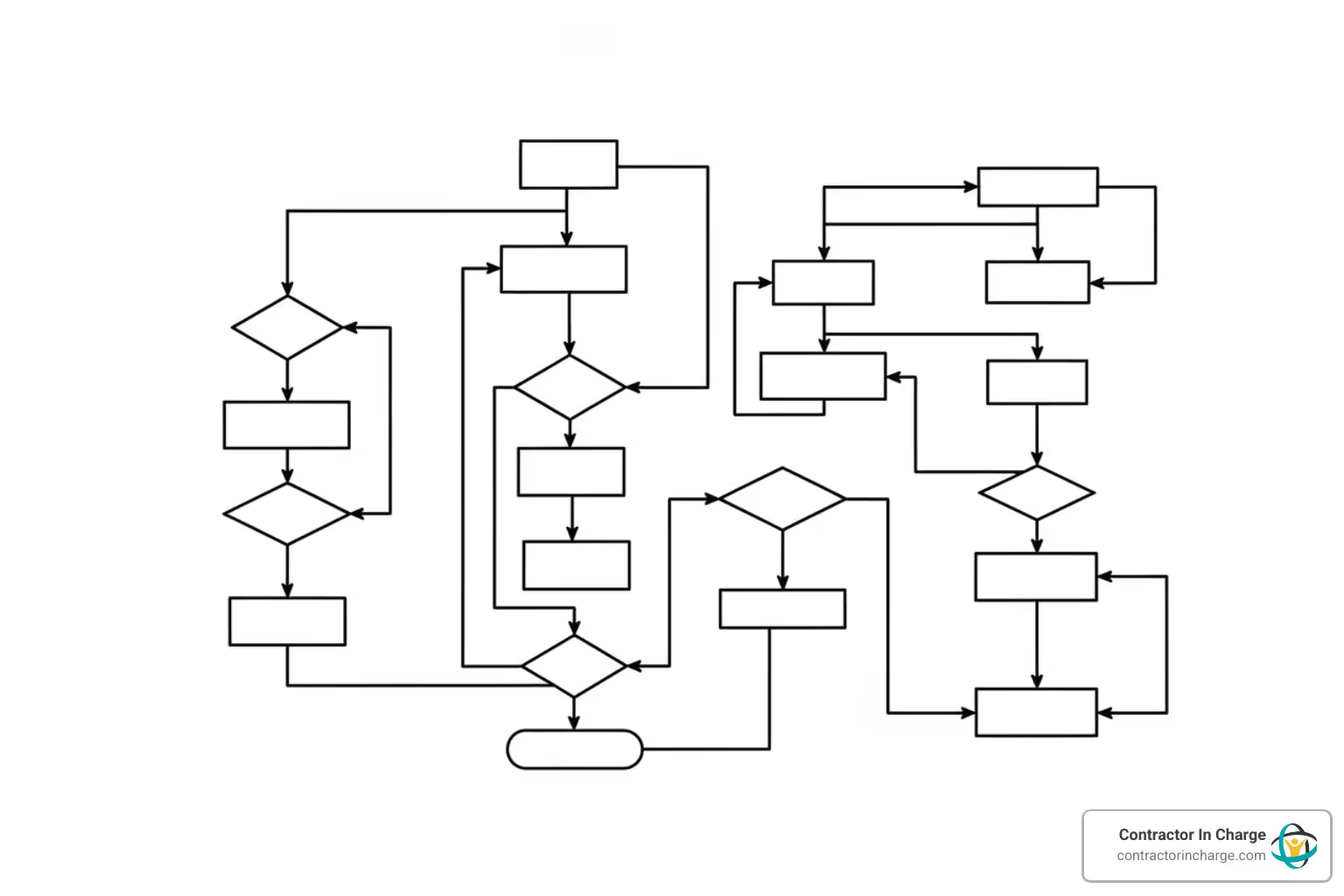
SOP FormatBest ForDescriptionSimple ChecklistShort, routine tasks with minimal decision-makingA list of items to check off, ensuring all steps are completed. Ideal for pre-job inspections or basic maintenance checks.Step-by-StepProcedures with a clear, linear sequenceNumbered or bulleted instructions detailing each action. Good for installations, repairs, or specific diagnostic sequences.FlowchartComplex procedures involving decision pointsUses symbols and arrows to illustrate the sequence of steps and decision points. Excellent for troubleshooting guides or processes with multiple possible outcomes.
How to Write Clear and Actionable Procedures
A good SOP can be followed by a new technician safely and correctly.
• Use Simple Language: Write in a direct, active voice. “Check the voltage” is better than “The voltage should be checked.”
• Break It Down: Divide complex jobs like a full system installation into smaller, manageable SOPs (e.g., site prep, electrical hookup, testing).
• Use Visuals: Photos, diagrams, and short videos are essential. A clear wiring diagram prevents more mistakes than a paragraph of text.
• Highlight Safety: Use warning boxes and bold text to make safety requirements impossible to miss.
• Test for Clarity: Have a newer employee follow your draft. Their questions will reveal exactly where you need to add clarification. Crafting effective residential HVAC SOPs is easier with real-world feedback.
Common Mistakes in SOP Development for HVAC Companies
Avoid these common traps:
• Top-Down Approach: Management writing SOPs in a vacuum without field input. These are often impractical and ignored.
• Ignoring Frontline Expertise: Leaving experienced techs out of the process means you miss their invaluable practical knowledge.
• Being Too Vague or Too Complex: “Check the system” is useless, but a 20-page manual won’t be read. Find the right level of detail.
• Skipping Testing: Not pilot testing an SOP in the field is a recipe for failure.
• Insufficient Training: Handing over a document is not training. Walk through the procedure with your team.
• Failing to Update: Outdated SOPs are liabilities. The HVAC industry evolves, and your procedures must too.
Leveling Up: Training, Technology, and Continuous Improvement
Developing SOPs is the first step. Integrating them into your daily operations is what makes them powerful. This requires a solid training strategy, smart technology, and a commitment to continuous improvement.
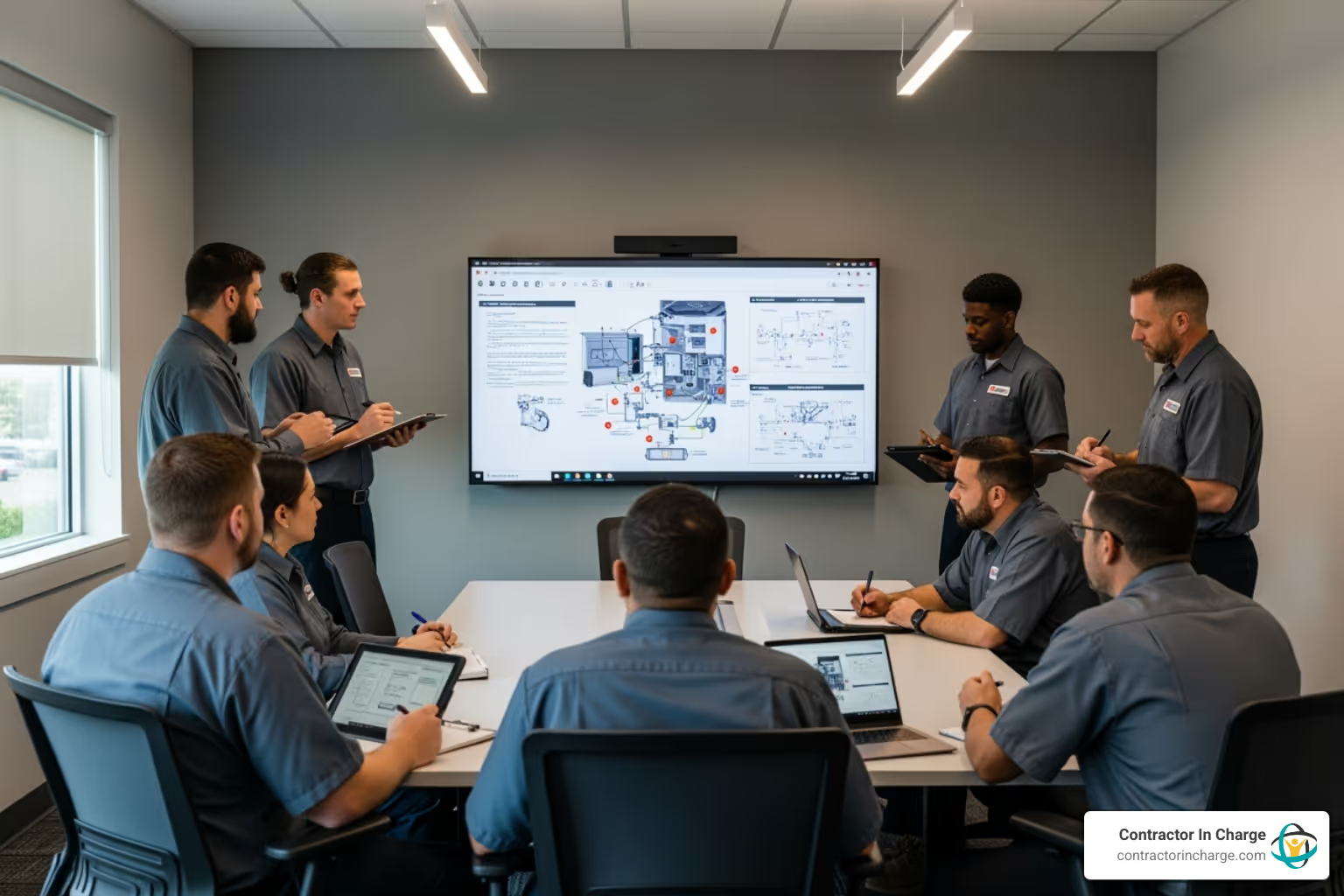
Effectively Training Your Staff on SOPs
An SOP is useless if your team doesn’t understand it. Effective training involves:
• Hands-on Demonstration: The gold standard for technical tasks. Walk through procedures in a real-world setting.
• Mentorship Programs: Pair new hires with experienced techs who can guide them through SOPs on the job.
• Regular Refreshers: Schedule periodic training to reinforce key procedures, especially for safety or seasonal tasks.
• Explaining the “Why”: Help your team see how SOPs make their jobs easier and safer. Buy-in comes from understanding the benefits.
Monitoring Compliance and Addressing Non-Compliance
Ensuring SOPs are followed is about quality control, not playing “gotcha.”
• Field Audits: Regularly observe technicians to see if procedures are being followed and identify where SOPs might be unclear.
• Integrated Checklists: Digital forms that follow the SOP steps guide technicians and create a record of compliance.
• Feedback Loops: Encourage technicians to suggest improvements. When they report that a step doesn’t work in the field, listen.
• Address Non-Compliance as a Learning Opportunity: Is the SOP unclear? Does the tech need more training? The goal is improvement, not punishment.
The Role of Technology in Modern SOP Management
Technology makes SOPs more effective. Ditch the three-ring binder for modern tools that offer:
• Mobile Access: Technicians can pull up SOPs, checklists, and diagrams on a tablet or phone right in the field.
• Real-time Updates: Push changes instantly to ensure everyone is using the most current version.
• Integrated Checklists: Guide techs through procedures while automatically documenting compliance.
• Centralized Knowledge: Create a single source of truth that preserves company expertise and streamlines onboarding.
Creating a Culture of Continuous Improvement
Your SOPs must evolve with your business.
• Schedule Regular Reviews: Review all SOPs at least annually to ensure they are still accurate and effective.
• Update When Triggered: Don’t wait for an annual review. Update procedures immediately for new equipment, regulatory changes, or after a safety incident.
• Act on Employee Feedback: Your technicians are on the front lines. Make it easy for them to suggest improvements and act on their feedback quickly.
• Recognize Contributions: Acknowledge employees who help improve procedures. This reinforces that everyone has a stake in Elevating Efficiency.
Frequently Asked Questions about HVAC SOPs
How do I get my senior technicians to buy into using SOPs?
Resistance from experienced techs often comes from feeling undervalued, not from opposing good processes. The secret to getting buy-in is to make them the authors, not the subjects of your SOPs.
Ask your lead tech to help you document the “right way” to do a job—their way—to train new hires. This acknowledges their expertise and empowers them as mentors. Frame SOP development for HVAC companies as a way to capture and share their valuable knowledge, not replace it. Highlight the benefits to them: fewer repetitive questions from rookies and fewer panicked calls on their day off.
What is the first SOP an HVAC company should create?
Don’t try to document everything at once. Start where the stakes are highest.
1. High-Risk Safety Procedures: Begin with tasks like lockout/tagout, refrigerant handling, and working at heights. These are non-negotiables for protecting your team and your business.
2. High-Frequency Tasks: Next, document the jobs your team does every day, like routine maintenance checklists or basic diagnostics. Standardizing these brings immediate gains in efficiency and consistency.
For the office, a customer service call script is a great first SOP to ensure every customer interaction is professional and thorough.
How long should an SOP be?
The right length is as long as necessary to be clear and safe, but not a word longer. A pre-job safety checklist might be a single page, while a complex commercial installation procedure might be ten pages.
The key is action-focused clarity. If a procedure is too long, break it into multiple, smaller SOPs (e.g., site survey, equipment placement, final commissioning). A well-placed photo or diagram is often more effective than paragraphs of text, making your SOP both shorter and clearer.
Conclusion
SOP development for HVAC companies is about building the operational backbone for scalable growth. It transforms your Contracting Business from being dependent on a few key people into a system that runs smoothly, whether you’re on-site or not.
SOPs are the foundation for adding more trucks, opening new locations, and achieving the freedom to step back from daily operations. They ensure consistent quality, improve safety, and boost efficiency. When your team is empowered with clear procedures, they can perform their best work with confidence.
As you implement these Business Strategies and build your playbook, you don’t have to do it all alone. While you focus on perfecting your field operations, Contractor In Charge can manage the administrative workload. Our dedicated team handles 24/7 call answering, booking, dispatch, and bookkeeping, freeing you to run and grow your company.
Ready to build a more efficient, profitable, and scalable business?
Streamline your HVAC Operations