Admin Services
Admin services for home-service contractors to boost bookings, streamline dispatch, and reduce back-office workload with 24/7 live support.
Combining AI and human expertise to convert more leads, streamline operations, and strengthen profitability.
Answer every call within 3 rings, guaranteed
Book appointments directly in your software
24/7 emergency dispatch with 3-minute response
Industry-trained operators who know your trade
Average 34% increase in booked appointments

Outsourced administrative support for home service contractors takes care of the day-to-day office work that often slows down operations and impacts revenue. From managing schedules and handling calls to processing routine back-office tasks, these services are designed specifically for field service businesses that need structure, speed, and consistency.
The support includes 24/7 live answering, smart call screening, appointment booking, outbound follow-ups, and rules-based dispatch directly into leading field service platforms. Ongoing administrative assistance ensures nothing falls through the cracks. The outcome is straightforward: higher booking rates, fewer missed opportunities, and less pressure on your internal team so your technicians can stay focused on completing jobs efficiently.

Common Admin Problems for Home-Services Contractors
- Missed calls and voicemails that turn into lost revenue
- Inefficient scheduling and double bookings when office staff are overloaded
- Unclear dispatching leading to slow response times and poor customer experience
- Time drained by routine admin tasks such as invoicing follow-ups, permit tracking, and data entry
- Inconsistent customer greetings and messaging that reduce brand trust
What These Admin Services Include
24/7 Live Phone Answering
Trained agents handle inbound calls around the clock with consistent, professional greetings to protect your brand and capture every potential booking.
Custom Greetings & Call Screening
Scripts and screening rules are customized to your business, filtering emergencies, lead types, and urgent service requests to the right resource.
Booking Jobs & Outbound Appointment Setting
Agents confirm appointments, schedule follow-ups, and proactively call leads or recent estimates to increase conversion rates.
Rules-Based Dispatch into Field Service Software
Seamless, rules-driven dispatch into platforms like ServiceTitan, Service Fusion, and Housecall Pro ensures technicians receive accurate job details and ETAs without manual entry.
Administrative Task Support
Routine back-office work such as data entry, permit tracking, basic billing follow-up, appointment confirmations, and intake form processing.
Reporting & Quality Assurance
Regular performance reports covering answered calls, scheduled appointments, conversion rates, and operational bottlenecks.
How We Diagnose Needs & Design the Solution
The service begins with a structured assessment of your current call volume, peak hours, booking conversion rates, and the field software you use.
This diagnosis identifies high-impact improvements such as:
- Refined screening rules for emergencies
- Standardized intake forms to reduce repeat calls
- Targeted outbound appointment waves to recover unbooked quotes
The result is a tailored workflow aligning answering, booking, and dispatch with how your crews operate.
Onboarding Process: Kickoff, Expand, Transform
Kickoff
Map current phone flows, intake questions, service categories, and dispatch rules. Agents run parallel with your office during an observation period to validate scripts and call handling.
Expand
Agents begin handling a larger share of inbound calls and take on outbound appointment setting and routine admin tasks. Field service software integration is enabled and refined.
Transform
Using steady reporting data, workflows are optimized to maximize booking rates, reduce technician idle time, and expand administrative support such as invoicing follow-ups and lead nurturing.
Pricing & Package Structure (Model Overview)
Pricing is structured around flexible service models to match different business sizes and call patterns.
Instant Pricer Model
A rapid quoting tool that provides on-call pricing guidance and helps agents give consistent, immediate estimates.
Minute-Based Tiers
Monthly minute bundles where inbound and outbound call minutes are tracked against tier allowances.
Package Tiers
Monthly service packages that combine answering, booking, dispatch transactions, and defined administrative tasks.
These models allow businesses to scale support based on seasonality, crew size, and growth stage while maintaining predictable workflows.
Expected Deliverables
- 24/7 active call handling with call logs and transcriptions (where applicable)
- Daily or weekly dispatch reports
- Appointment schedule updates with confirmation records
- Monthly performance dashboard (answered calls, conversions, booking rate, time-to-dispatch)
- Documented scripts, screening rules, and escalation procedures
- Administrative task log with time accounting (for minute-based packages)
Benefits for Home-Services Contractors
Higher Booking Rates
Live answering and proactive outbound appointment setting increase conversion from leads and estimates to scheduled jobs.
Reduced Office Management Burden
Routine tasks are removed from in-house staff, freeing them for higher-value responsibilities.
Faster, More Accurate Dispatch
Rules-based integrations reduce manual errors and shorten the time from call to job assignment.
Improved Customer Experience
Consistent greetings and confirmations lead to better reviews and repeat business.
Scalability
Flexible packages allow you to manage seasonal spikes without hiring or training temporary staff.
Best Practices to Maximize Value
- Define clear service categories and priority rules during kickoff
- Keep intake forms concise and standardized
- Use reporting data to adjust tiers during peak seasons
- Allow agents to handle outbound appointment reminders to reduce no-shows
- Review scripts quarterly to reflect seasonal offers and service updates
Q: What field service platforms do agents integrate with?
A: Agents can dispatch into Service Titan, Service Fusion, House call Pro, and other major platforms using rules-based workflows that push job details, appointment windows, and customer notes.
Q: How quickly can answering and dispatch be active after onboarding?
A: Typical timeline moves from kickoff observation to handling live calls within a few days to a couple of weeks depending on integration complexity and script finalization.
Q: Are agents trained on my services and pricing?
A: Yes. Agents receive training on your service categories, common diagnostic questions, and Instant Pricer guidelines or pricing frameworks to provide consistent, brand-aligned answers.
Q: Will I retain control over scheduling and escalation?
A: Yes. Scheduling rules, priority dispatch levels, and escalation paths are defined during onboarding so your team retains decision control while agents execute the processes.
Q: How is performance measured?
A: Performance metrics include answered call rate, booking conversion rate, average call length, time-to-dispatch, and adherence to agreed scripts and escalation procedures.
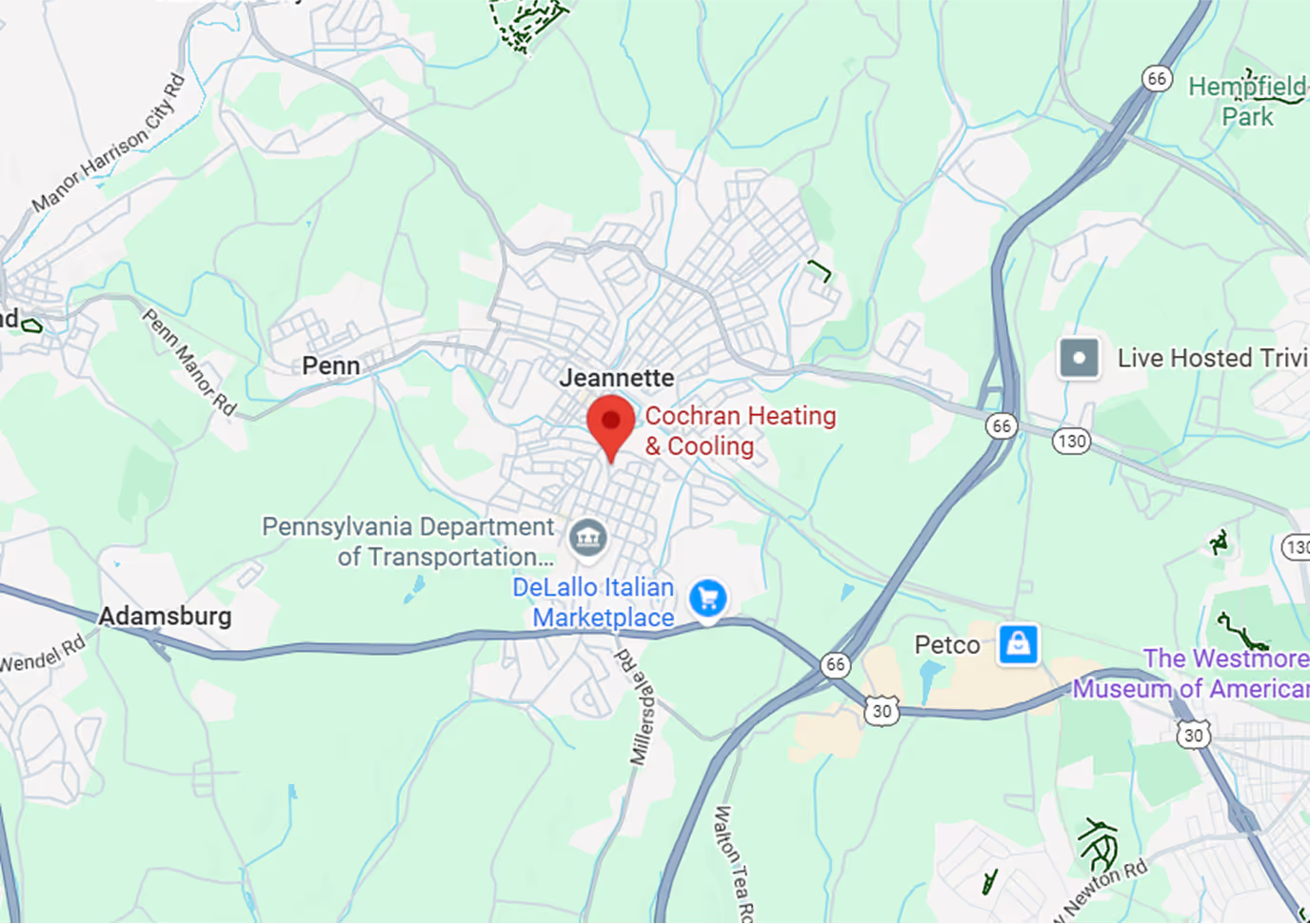
Service areas